Approuver, c’est décider un risque
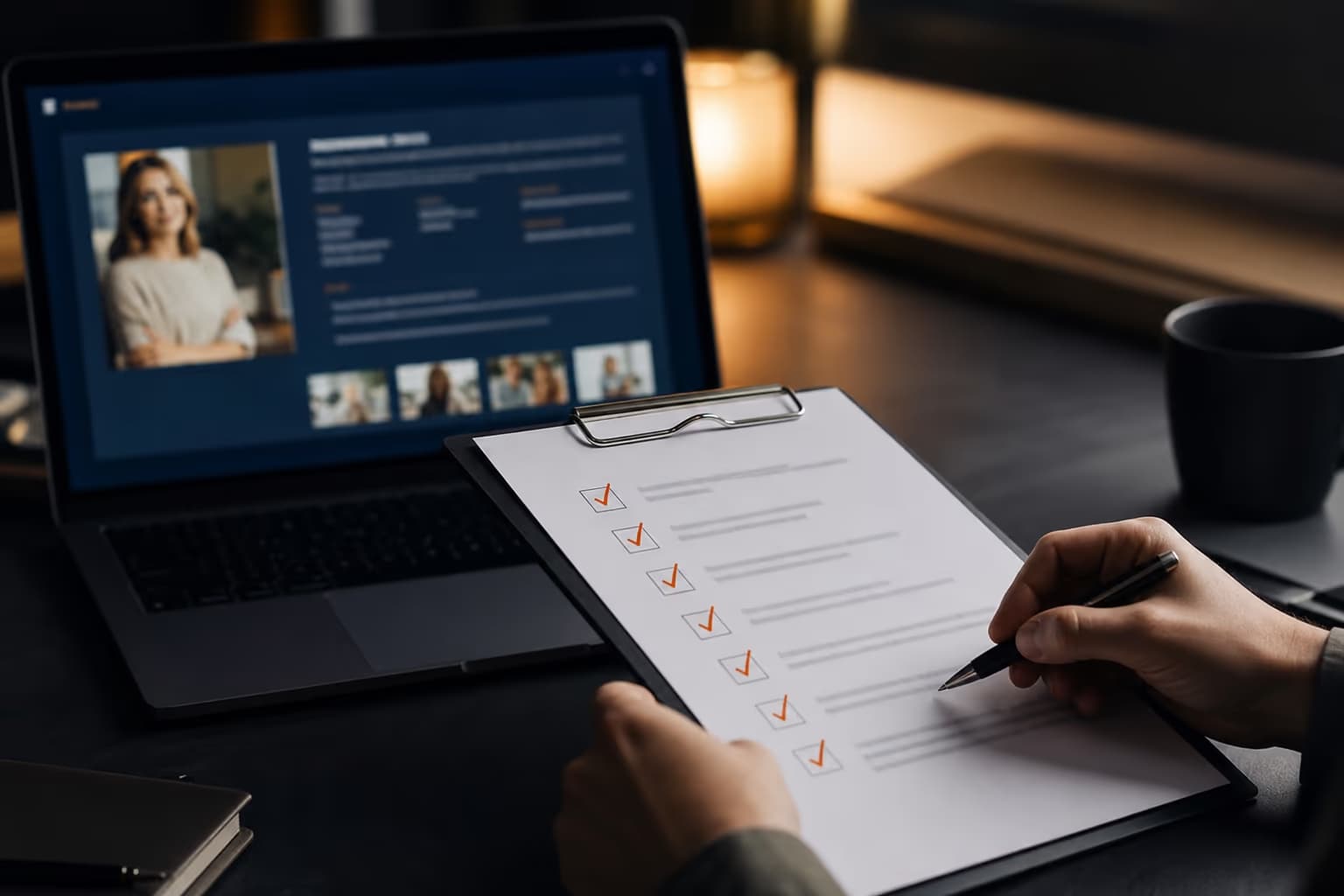
Quand une marque approuve un créateur, elle n’achète pas seulement une vidéo. Elle accepte un risque réputationnel, légal et de performance. Comprendre cet angle aide à vous présenter sans ton commercial — et sans tutoriel produit.
Ce que les reviewers scannent en général
Fit audience — Vos vidéos récentes attirent-elles des gens qui pourraient se soucier de l’offre ?
Confiance et ton — Une marque prudente se sentirait-elle à l’aise à côté de vos opinions et commentaires ?
Clarté — Un inconnu comprend-il ce que vous faites en moins d’une minute ?
Consistance — La qualité est-elle stable, ou un hit viral porte-t-il un catalogue brouillon ?
Signaux pro — Communication claire, mentions légales, brief traité comme un travail partagé ?
Le nombre d’abonnés apparaît. Il décide rarement seul.
Comment rater une approbation sans le vouloir
- Candidater partout avec un pitch générique
- Packaging trompeur vs contenu réel
- Ignorer le fit catégorie (« je peux tout promo »)
- Aucune preuve d’avoir lu le brief
- Surpromettre des résultats hors de contrôle
Les marques se souviennent de la friction. Les ops fluides reviennent.
Ce que vous pouvez renforcer
- Mettez en avant du contenu qui montre clairement votre niche
- Nettoyez titres/miniatures qui surpromettent
- Préparez une note courte : qui est l’audience + pourquoi l’offre fit
- Soyez explicite sur délais et révisions
- Traitez commentaires et ton communauté comme partie de votre kit marque
La fiabilité bat le hype
Beaucoup de marques préfèrent un créateur mid-size qui livre à l’heure et protège la confiance à un plus gros qui crée du chaos ops. La fiabilité est un avantage que vous contrôlez.
En résumé
Les marques approuvent les créateurs qui réduisent l’incertitude : fit clair, présence digne de confiance, plan réaliste de livraison. Rendez cela visible, et l’approbation cesse d’être une boîte noire.
Sources et ressources
Documentation officielle, études et sources à forte autorité (SEO / recherche) :