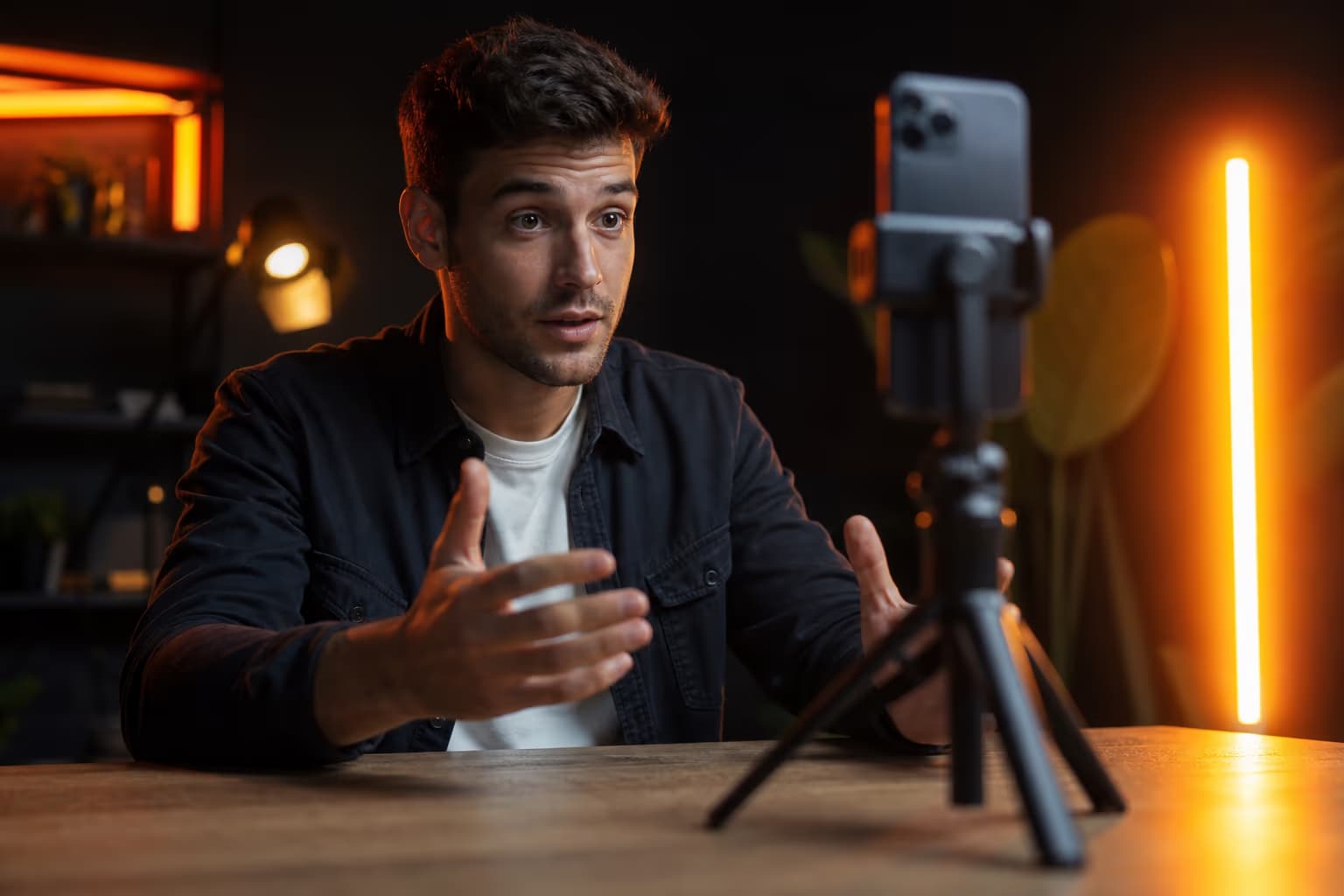
YouTube Shorts est devenu un moteur principal de reach, de découverte produit et de tests créatifs rapides. Avec des outils intégrés à YouTube Studio et Google Ads, les attentes sur découverte, disclosure et mesure n’ont jamais été aussi hautes. Scaler le revenu sponsoring, c’est équilibrer deux leviers : des upgrades de prod qui montent la valeur des deals, et des cadres de validation transparents qui garantissent des outcomes business mesurables.
1. Structurer le deal Shorts
Les sponsorings Shorts suivent en général quatre structures commerciales. Le bon modèle dépend des objectifs, de l’effort créatif et de la prévisibilité de perf :
| Format | Structure commerciale | Idéal pour | | --- | --- | --- | | Short dédié | Forfait ou perf high-tier | Lancements produit, tutos profonds, intégration max | | Intégration | Forfait réduit (40–60 % du dédié) | Placements subtils dans du contenu natif | | Série multi-Shorts | Package palier (–20–30 % volume) | Campagnes always-on, storytelling séquentiel | | Performance / hybride | Base prod + paiement à l’unité validée | Scaler le reach avec une économie unitaire (CPV/CPC) |
Sur un deal perf ou hybride, s’appuyer uniquement sur des vues brutes expose les marques aux spikes bots et les créateurs à des litiges « qualité » flous. Une couche de tracking vérifié via Wayo Ads pose des paramètres pré-accordés (vues, clics, conversions valides) avant que les assets partent.
2. Upgrades matériel : le moteur ROI Phase 3
Erreur fréquente : scaler le volume de deals avant de professionnaliser la qualité technique. Passé 50K–100K+ abonnés, entrer dans le palier matériel Phase 3 débloque les sponsorings premium.
Setup Phase 3 recommandé (1 000 – 5 000 $)
- Boîtier : hybride type Sony A6400 (900 – 1 200 $)
- Support : trépied pro (150 – 300 $)
- Lumière : kit studio 3 points (400 – 800 $)
- Audio : shotgun / lavalier studio (l’audio d’abord — c’est le multiplicateur de qualité perçu le plus rapide)
- Post-prod : DaVinci Resolve Studio (295 $ one-shot) ou Adobe Creative Cloud (55 $/mois)
Quantifier le ROI du matériel
Ce n’est pas du vanity spend : ça décale la rate card du tarif consommateur vers le tarif agence.
Horizon ROI (mois) = investissement matériel (1 000–5 000 $) ÷ gain sponsoring mensuel incrémental
Sur 6 à 12 mois, une prod pro permet souvent un x3 à x5 sur la valeur des deals. Les specs seules ne doivent jamais dicter l’achat — rétention et analytics doivent justifier chaque upgrade. Testez chaque palier 2–3 mois avant d’étendre.
3. Briefs haute conversion & pricing juste
Les sponsorings cassent quand le brief ressemble à un script TV, ou quand le créateur tarife sur un best-case viral.
Règles de brief pour les marques
- Un seul focus : un job explicite (notoriété, essai gratuit, click-out).
- Mandatories minimaux : faits, offres, mentions légales, codes.
- Liberté créative : règles de cadre (durée, CTA, claims interdits) sans micromanager hooks ni humour.
- Règle des 30 secondes : si le créateur ne peut pas expliquer le produit avec sa voix en moins de 30 secondes, le brief est trop lourd.
Règles de pricing pour les créateurs
Ancrez le tarif sur des coûts opérationnels, pas sur des spikes imprévisibles :
- Temps de prod : script, tournage, montage, retouches.
- Alignement audience : engagement de niche plutôt que volume d’abonnés.
- Licences : droits organiques vs amplification paid.
- Exclusivité & validation : définitions écrites avant mise en ligne, pour éviter les litiges rétroactifs.
4. Mesure & matrice de décision
Pour passer finance et legal, les deux parties passent cinq points avant de signer :
- Alignement d’objectif : moment culturel ou réponse mesurable ?
- Validation pré-lancement : unités, exclusions fraude, cadence de payout explicites ?
- Scalabilité du format : un créateur héros ou un array multi-créateurs ?
- Upside équitable : le deal perf paie-t-il juste si ça part en viral ?
- Test de valeur : achèteriez-vous encore sans le nombre d’abonnés ?
Les métriques d’attention validée protègent les deux côtés : la marque défend le spend, le créateur construit un equity marque prévisible.
Sources
- New opportunities to earn and changes to the YouTube Partner Program — YouTube Blog
- YouTube Shorts and Long-Form Video Strategy: Hybrid Creator Growth Framework for 2026 — InfluenceFlow
https://www.youtube.com/watch?v=P9Pgtkj5ND8
Sources et ressources
Documentation officielle, études et sources à forte autorité (SEO / recherche) :