Instagram's Long-Form Pivot: How New Ranking Signals Rewrite the Creator Monetization Playbook

Instagram is making a strategic U-turn, and most creators haven't noticed yet. For years, the platform pushed short-form vertical video as the centerpiece of its product. Reels dominated the feed, follower growth was the metric that mattered, and creators built entire content strategies around 15-second hooks and rapid-fire editing. That era is ending.
In a recent interview on the Colin & Samir channel, Adam Mosseri, Head of Instagram, laid out a vision that reverses several of the platform's most entrenched assumptions. Long-form horizontal video is back on the table. TV is a serious ambition. And the ranking signals that determine who gets discovered are shifting away from follower count toward something far more meaningful: watch time and sends per reach.
For creators who spent the last three years optimizing for Reels and chasing follower milestones, this is not a minor algorithm tweak. It's a fundamental change to the monetization playbook.
The Strategic Reversal: From Short-Form Vertical to Long-Form Horizontal
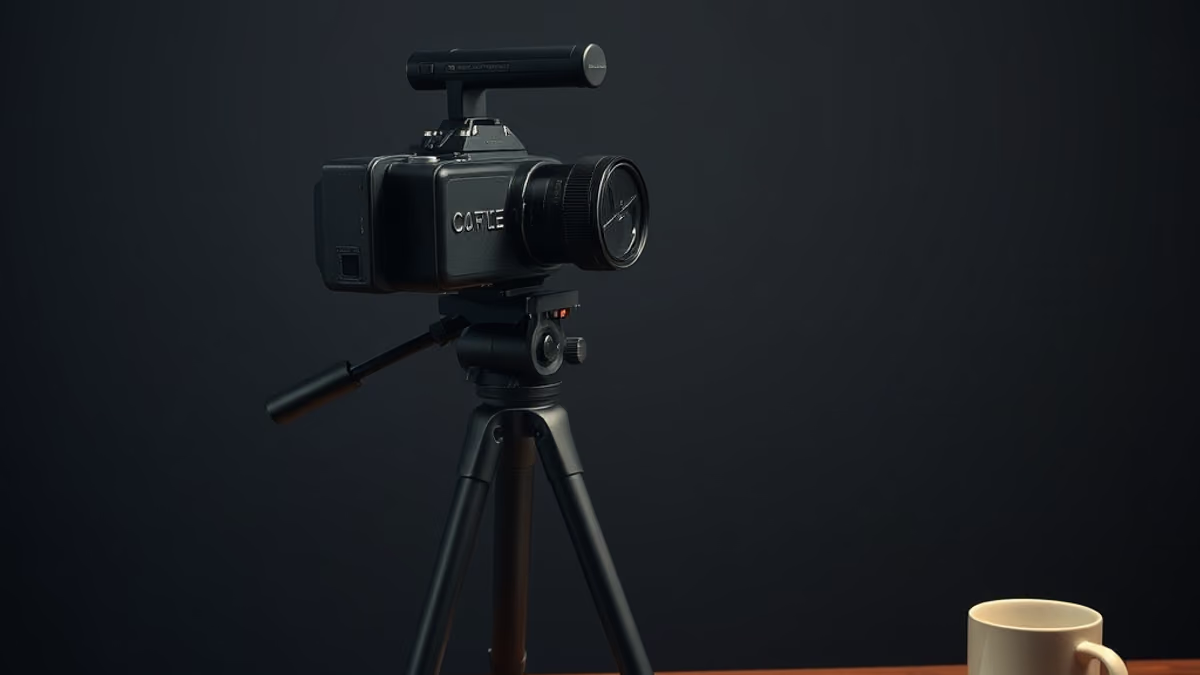
Instagram's previous stance on long-form video was unambiguous. The platform told creators that long-form content was not a priority. The product roadmap centered on Reels, Stories, and the kind of snackable vertical content that competed directly with TikTok. Creators who invested in longer videos were swimming against the current.
That guidance has now been reversed. Mosseri's interview signals a deliberate pivot toward long-form horizontal video and TV. The term "features" is being used to describe a new class of longer, more substantial content that sits apart from the rapid-scroll Reels experience. This is not a return to IGTV, which failed in part because it launched before the platform's infrastructure and audience behavior were ready. This is a more calculated move, informed by years of data on what actually drives sustained engagement.
The implications are significant. Horizontal video requires different production values, different pacing, and a different relationship with the viewer. A creator who built an audience on 30-second vertical clips cannot simply rotate the camera and expect the same results. The format demands a shift in storytelling, editing rhythm, and even thumbnail strategy.
Watch Time and Sends Per Reach: The New Ranking Currency

The most consequential change for creators is the ranking signal shift. Instagram's algorithm is now prioritizing watch time and sends per reach over follower count. This is a profound departure from the follower-centric model that dominated the platform for a decade.
Watch time is straightforward: the longer a viewer spends watching your content, the more the algorithm rewards it. This naturally favors long-form content, which can accumulate minutes of watch time per view compared to seconds for a Reel. A 10-minute video that holds attention for 7 minutes generates dramatically more watch time than a 30-second Reel viewed in full.
Sends per reach is the more interesting signal. It measures how often viewers share your content via direct message relative to how many people saw it. A high sends-per-reach ratio indicates that your content is not just passively consumed but actively forwarded to friends. This is a powerful proxy for content quality and relevance. When someone sends a post to a friend, they're vouching for it. The algorithm treats that endorsement as a strong signal that the content deserves broader distribution.
Follower count, by contrast, is becoming a vanity metric. A large follower base that doesn't watch, share, or engage is increasingly worthless under the new ranking system. Creators who bought followers or grew through follow-for-follow tactics will find their reach collapsing as the algorithm stops rewarding raw follower numbers.
Focused Accounts vs. Broad Accounts: The Niche Advantage
Under the new ranking dynamics, focused accounts are outperforming broad, general-interest accounts. This is a direct consequence of the watch time and sends per reach signals. A focused account that consistently serves a specific niche builds an audience with predictable interests. When that account posts, the algorithm knows exactly who to show it to, and those viewers are more likely to watch longer and share more.
A broad account that posts about cooking, fitness, and tech in equal measure confuses the algorithm. The audience is fragmented, watch time suffers because viewers only engage with a subset of the content, and sends per reach drops because the content is rarely relevant enough to forward to a specific friend.
The practical takeaway is clear: niche down. A creator who becomes the definitive source for a specific topic will outperform a generalist with ten times the follower count. This aligns with broader trends in the creator economy, where depth consistently beats breadth for monetization.
Carousels Are Having a Moment
One of the more surprising insights from the interview is the renewed emphasis on carousels. The multi-image swipeable format has been a staple of Instagram for years, but it's currently experiencing a resurgence as a high-engagement format under the current ranking dynamics.
Carousels naturally encourage longer engagement. A viewer who swipes through eight slides spends more time on the post than someone who glances at a single image. That extended dwell time feeds directly into the watch time signal. Carousels also lend themselves to saves and shares, both of which are strong ranking indicators.
For creators, carousels represent an underutilized opportunity. They're cheaper to produce than video, they can convey substantial information, and they're currently being rewarded by the algorithm. A well-structured carousel that teaches something valuable or tells a compelling visual story can outperform a Reel with far less production effort.
What This Means for Monetization
The monetization implications of these shifts are substantial. Creators who built their income on Reels views and brand deals tied to follower counts need to rethink their value proposition. Brands are becoming more sophisticated about engagement metrics, and the platforms are now validating that sophistication by rewarding watch time and shares over raw follower numbers.
Long-form horizontal video opens up new monetization avenues. Longer content supports mid-roll ads, which generate significantly more revenue than pre-roll ads on short clips. It also creates more opportunities for integrated brand partnerships, where a creator can spend several minutes authentically discussing a product rather than cramming a mention into a 30-second Reel.
The shift toward TV is particularly interesting. If Instagram successfully positions itself as a destination for longer, lean-back content, it could compete for the same advertising dollars that currently flow to YouTube and streaming services. Creators who establish themselves early in this format will have a first-mover advantage.
AI Accounts and AI Agents: The Emerging Wildcard
The interview also touched on a topic that's generating significant anxiety among creators: AI accounts and AI agents. The prospect of AI-generated content flooding the platform, or AI agents that interact with content on behalf of human users, introduces profound uncertainty into the creator economy.
Creators are expressing fear about what AI means for their livelihoods. If AI can generate infinite content optimized for watch time and sends per reach, what happens to human creators? If AI agents can watch, like, and share content, what does engagement even mean?
These are open questions, and Instagram doesn't appear to have definitive answers yet. But the fact that Mosseri is discussing AI accounts and agents openly suggests that the platform is thinking seriously about how to handle them. Creators who monitor these developments closely will be better positioned to adapt when the rules change again.
How Creators Should Adapt Now
The creators who thrive through this transition will be those who adapt quickly. The first step is to stop optimizing for follower count. It's a lagging indicator that no longer drives distribution. Instead, focus on watch time and sends per reach.
Design content that maximizes sustained viewing. For video, this means strong hooks that lead into substantive content, not clickbait that generates a quick view and an immediate bounce. For carousels, it means structuring slides so that each one compels the viewer to swipe to the next.
Encourage shares. Content that people want to send to a friend is content that the algorithm wants to distribute. Ask yourself: would someone forward this to a specific person? If the answer is no, the content probably won't perform well under the new ranking system.
Develop a focused account. Pick a niche and commit to it. The algorithm rewards consistency and clarity. A focused account builds the kind of audience that watches longer and shares more.
Experiment with long-form horizontal video. Even if the format feels unfamiliar, the platform is signaling that this is where it's heading. Creators who build competence in longer-form storytelling now will be ahead of the curve when the feature set matures.
Finally, keep an eye on AI developments. The landscape is shifting rapidly, and the creators who survive will be those who stay informed and remain flexible.
Instagram's long-form pivot is not a drill. The ranking signals that determine discovery and monetization have changed, and the creators who adapt first will capture the advantage. The playbook that worked for Reels and follower growth is obsolete. The new playbook rewards watch time, shares, focus, and the willingness to embrace formats that demand more from both creator and viewer.
What to do next
Discover brand opportunities on Wayo Ads
Source & Resources
Official documentation, research, and high-authority sources: