
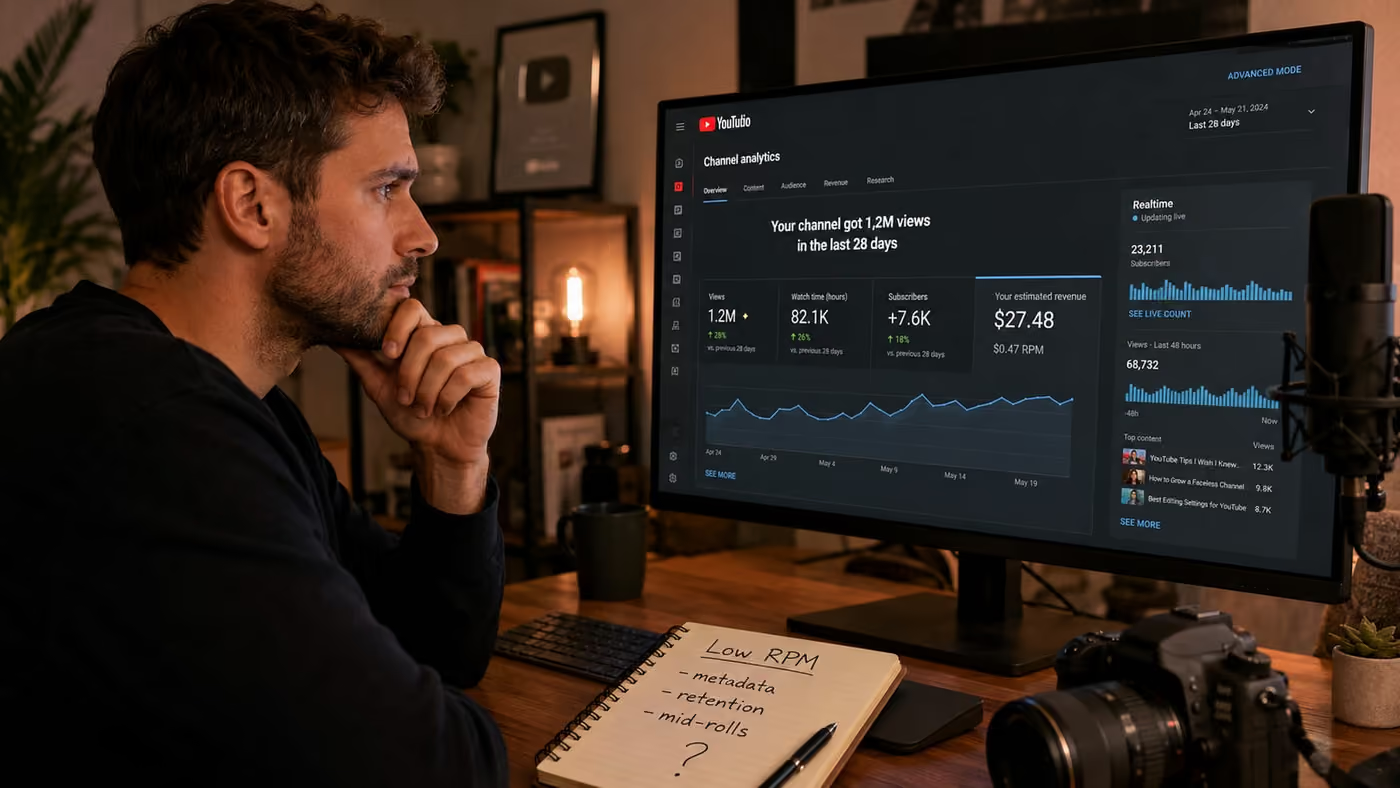
You finally cracked the algorithm. Views are climbing, maybe even going viral. Then you open YouTube Analytics and the RPM looks nothing like the hype.
In 2026 this is more common than most creators expect—especially on newer or fast-growing channels. One creator launched a long-form channel in a niche that research suggested should deliver $3–$4 RPM. Instead the numbers sat at $0.50–$1 for two full weeks. Revenue felt broken. Then, without major content changes, the RPM climbed past $5 (even during summer, when ad rates are usually softer).
YouTube is deliberately cautious with channels that suddenly attract tens of thousands of views per day. The platform suppresses early RPM and overall revenue while it validates that the traffic is genuine. With the rise of AI-generated content and various workarounds, this caution has become stricter. The delay can feel unfair and cost money in the short term, but it usually normalizes once the system gains confidence.
If your RPM is stuck low, don’t panic and don’t assume the channel is permanently broken. Diagnose the cause, then apply the levers that actually move the number.
Why RPM Stays Low (Even When Views Look Good)
RPM is what you keep per 1,000 views after YouTube’s cut and after accounting for monetized vs. non-monetized playbacks. Several factors keep it suppressed:
- New or rapidly growing channels face temporary validation holds.
- Metadata fails to signal clear intent and advertiser value.
- Viewer journey is weak, so fewer high-value ads complete.
- Content or packaging triggers limited or restricted ads.
- Niche framing attracts lower-value audiences or weaker ad demand.
- Analytics insights are ignored, so winning patterns never get repeated.
The good news: most of these are fixable.
1. Fix Your Metadata — Fix Your RPM
Metadata is a direct signal to YouTube, the recommendation system, and advertisers.
Titles must communicate clear intent and value. “How I Paid Off $50K Debt in 6 Months” attracts a high-value finance audience. “My Financial Story” is vague and weak for both search and ad targeting.
Descriptions give context for ad matching and search. Lead with a one- or two-sentence summary of what the viewer will learn, then include the phrases advertisers actually target (business automation, crypto tax tips, productivity tools for freelancers, etc.).
Tags still matter for relevance. Use 3–6 focused tags that reflect topic intent, audience, and advertiser language. Avoid broad or misleading tags that pull in low-engagement viewers.
Clean, precise metadata improves targeting, watch time, and the quality of ads that get served—raising RPM over time.
2. Guide the Viewer — Guide the Revenue
RPM rises when viewers stay longer and experience ads at natural moments.
- Open with a direct statement of value in the first 15 seconds. Skip slow intros.
- Structure the video with timestamps, on-screen headers, and spoken signposting so people know where they are and what comes next.
- On videos longer than 8 minutes, place mid-rolls at natural pauses—after a completed step or just before a reveal—then deliver value immediately afterward.
- Integrate CTAs as part of the journey rather than hard interruptions early on.
Smoother retention means more completed ads and stronger signals to the algorithm and advertisers.
3. Stay Suitable — Stay Monetized
Even strong content can under-monetize if YouTube’s systems flag it.
The first 30 seconds set the tone for the entire video’s ad eligibility. Avoid harsh language, unnecessary political triggers, shock sound effects, or aggressive delivery right at the start.
Thumbnails matter too. Rage faces, violence (even in-game), or extreme clickbait graphics increase the chance of limited ads. Clean, clear, topic-relevant images perform better for monetization.
Be accurate when self-certifying content. Consistent, honest labeling builds channel trust and unlocks better ad partners and fill rates. Framing also helps: “How One Mistake Wiped $100K—And What You Can Learn” is far more advertiser-friendly than “This Idiot Lost $100K in Crypto,” even when the story is identical.
4. Raise RPM in Every Niche
You do not always need to switch niches. You often need to reframe.
- Gaming: Move from pure “Let’s Play” to tutorials, gear breakdowns, or economy guides that attract older, higher-value viewers.
- Vlogging: Tie daily life to practical outcomes—morning routines, tech setups, budget systems, or family systems with clear value.
- Education: Build bingeable series and progressive playlists instead of isolated videos.
- Music: Shift toward tutorials, songwriting breakdowns, gear reviews, or process explainers rather than pure performance clips.
Look at your own analytics. Sort by highest RPM (not just views). Identify the common patterns in title framing, structure, and topic angle, then do more of that.
5. Use Your Analytics as an RPM Compass
Views alone do not equal income. Open the Revenue and Analytics tabs regularly.
- Identify your highest-RPM videos and reverse-engineer what they share.
- Check RPM by country. Prioritize content and packaging that pulls more traffic from higher-value regions (clear English, global utility topics, relevant tags).
- Study audience retention graphs, especially around mid-roll points. Fix early drop-offs; even a 10% retention improvement can unlock better ad performance.
Track 28-day RPM trends rather than daily noise. Sudden dips often point to geography shifts, retention problems, or seasonal advertiser changes rather than permanent channel failure.
What to Do While RPM Is Still Catching Up
Temporary suppression on new or fast-growing channels is real. Keep publishing consistent, high-quality, advertiser-friendly content while the system validates traffic. At the same time, reduce dependence on AdSense alone.
Many creators stabilize income by layering additional streams—affiliates, digital products, memberships, and performance-based platforms that pay on validated views or clicks without high subscriber thresholds. Wayo Ads is one option built for this: it connects creators with brands and rewards genuine engagement, giving you another revenue path while your YouTube RPM stabilizes or grows.
Low RPM is rarely a permanent sentence. It is usually a combination of temporary platform caution, fixable packaging and structure issues, and incomplete diversification. Fix the metadata, guide the viewer journey, stay suitable, reframe within your niche, and let analytics guide the next videos. The channels that treat RPM as a controllable metric—not a mystery number—are the ones that turn stalled monetization into consistent earnings.
Exploring tools that reward validated attention—such as those available through Wayo Ads—can sit alongside that work.
Sources
- YouTube RPM booster for 2026: 5 tweaks that work (Milx)
- If your channel gets a low RPM after monetization (Jaroslav Jakl on LinkedIn)
Source & Resources
Official documentation, research, and high-authority sources: